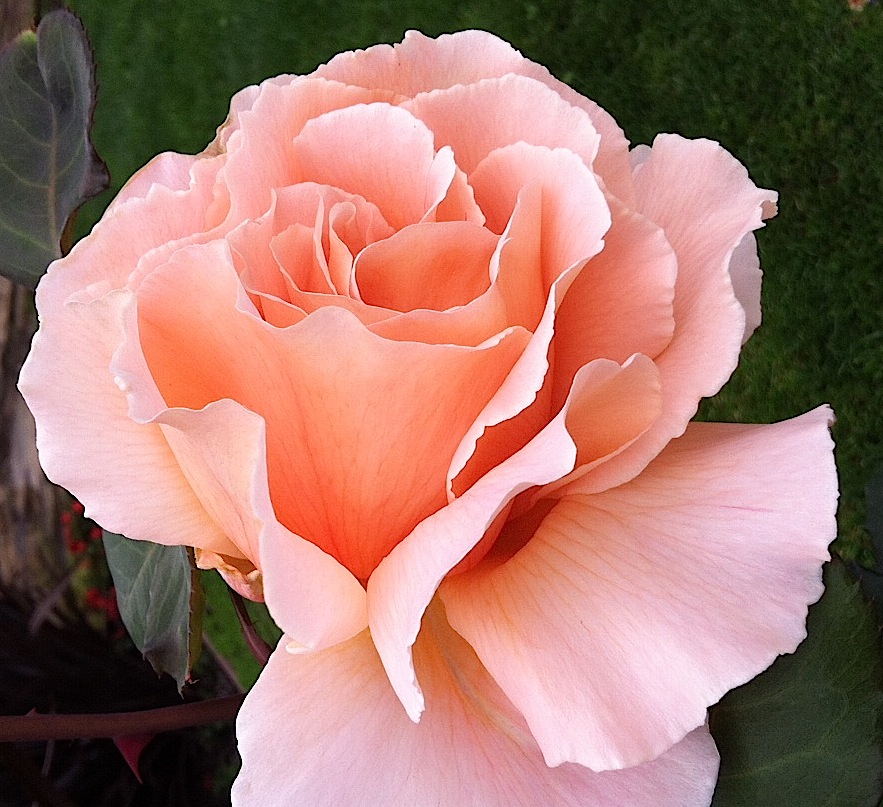
Point Lobos, California contains headlands, coves and rolling meadows. Wildlife includes seals, sea lions, sea otters and migrating gray whales (from December to May). Seabirds make the reserve their home. Hiking trails follow the shoreline and lead to hidden coves. The area used to be the home of a turn-of -the-century whaling and abalone industry.
Monday, May 6, 2013
Sunday, May 5, 2013
Florence, Oregon
Originally inhabited by the Siuslaw tribe of Native Americans, some say Florence was named for a French vessel wrecked at the Siuslaw river's mouth on February, 17, 1875. Others reveal the city received its name from the state senator, A.B. Florence who represented Lane Country from 1858-1860.
Florence thrives today as a tourist town.

Florence thrives today as a tourist town.

Saturday, May 4, 2013
Gold Beach
Located 45 miles north of the California border, Gold Beach sits near the mouth of the Rogue River on the Wild River Coast of Oregon. Originally named Ellensburg in the 1850s, the discovery of placer mines stimulated the renaming.
Friday, May 3, 2013
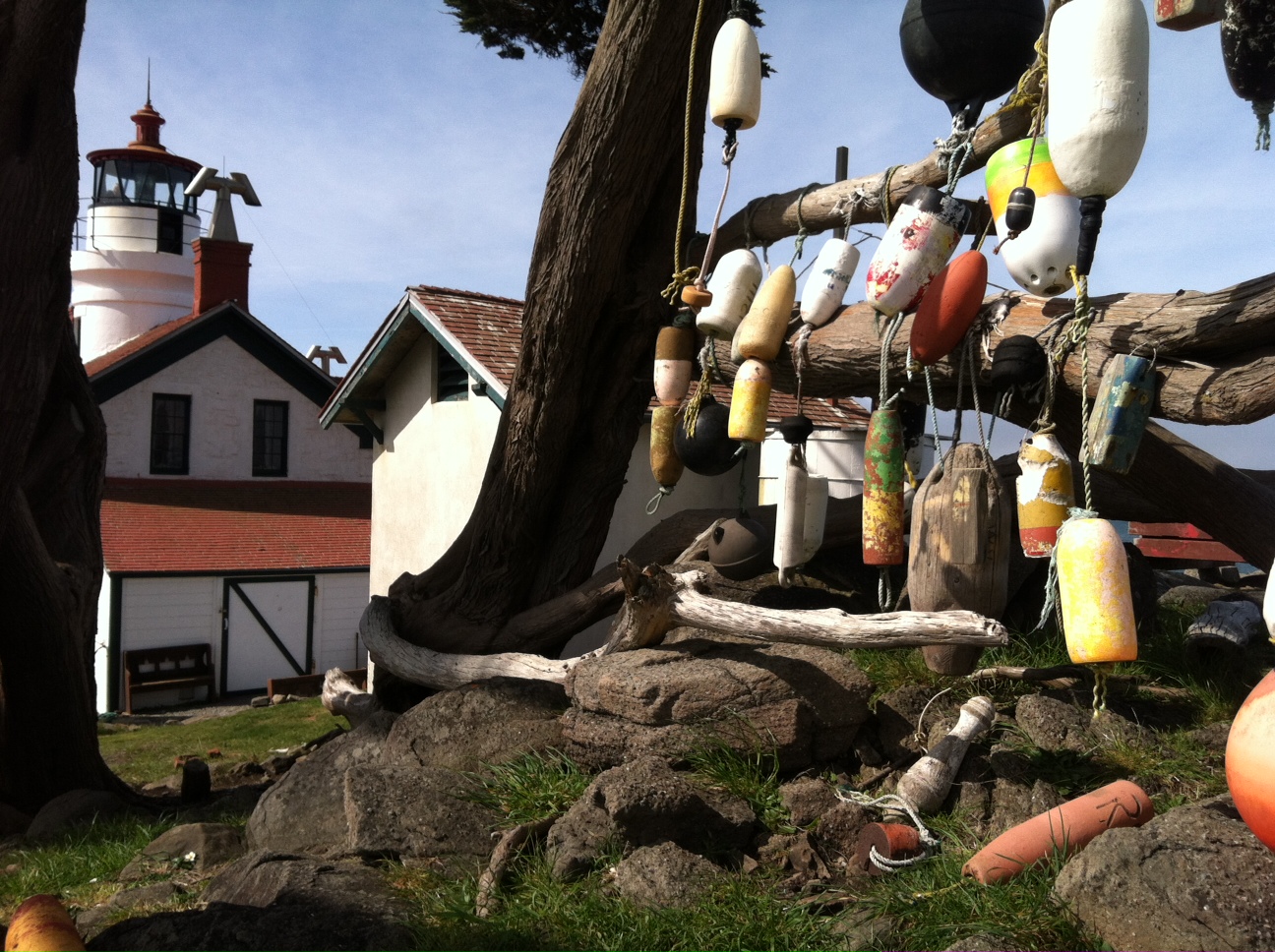
Battery Point Lighthouse
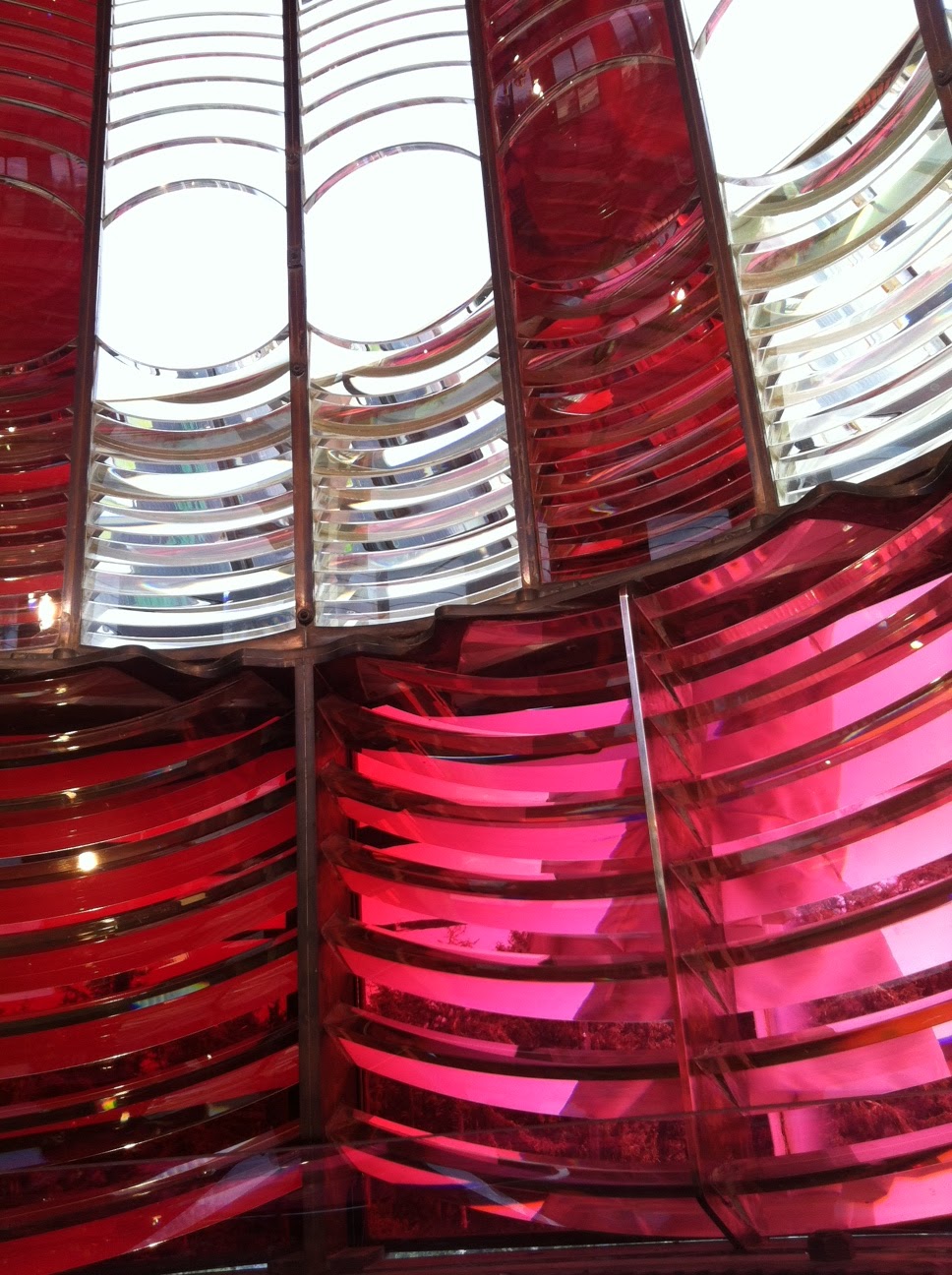
In 1855, Congress appropriated $15,000 for the construction of a lighthouse on an islet near Crescent City. Connected to Battery Point by an isthmus visible and crossed on foot, at low tide, it became one of the first lighthouses on the California coast. They lit the fourth-order Fresnel lens in 1856. When automated in 1953, a modern 375mm lens replaced the Fresnel lens. In 1964 the Alaska earthquake hit with a magnitude of 9.2. It caused a tsunami that created damage far into Crescent City but the lighthouse survived. In the following year, a beacon replaced the Fresnel lens in the tower. A flashing light at the end of the breakwater served as the harbor's navigational aid. In 1982, they turned on light in the lighthouse tower and the Battery Point Lighthouse became listed as a private aid to navigation.
![]() |
| View from the lens. |
![]() |
| Rocks cause impediments to sea travel. |
![]() |
| During the tsunami, the keeper watched from the flagpole. |
Thursday, May 2, 2013
Umpqua Lighthouse
They built the first lighthouse along the Oregon Coast on the north spit of the Umpqua river at Winchester Bay in 1855. Its light began to shine six miles south of Reedsport on October 10, 1857. Seasonal flooding affected the original light. This led to erosion of the sand embankment.
In October 1863, the building's foundations had become unstable and the structure soon collapsed. Before its collapse, the lighthouse board had built a new light at the current location. Finally in 1888 Congress approved of the construction of a new light.
![]() |
| The signature red Fresnel lens |
Wednesday, May 1, 2013
Subscribe to:
Posts (Atom)